

📚 Financial Education

Financial Wellness Starts With Knowledge

Learn how credit and finances really work. Improve your financial stability and gain the knowledge to make smarter financial decisions — starting today.

Financial wellness — person reviewing finances
$30,000
Up to $30,000 Credit Line
105+
Average Credit Score Boost
0
No Credit Checks. Ever.
Our Resources

We Have the Right Tools for You

Everything you need to build, protect, and grow your credit — all in one place.

🏦
Credit Builder Loan

Raise your credit score and expand your credit file. Building a positive payment history leads to more card and loan offers in the future.

🔍
Fix Damaging Report Mistakes

Easily file disputes on credit report inaccuracies. A single error on your credit report can drag your score down by dozens of points.

📊
Real-Time Credit Score Updates

Monitor and safeguard your credit score and track your subscriptions all in one place. Stay informed every step of the way.

Understanding Your Score

How Are Credit Scores Calculated?

Your credit score is calculated based on five key factors, each with a different level of impact on your overall score.

35%
Payment History
On-time payments. Most important factor — late payments stay on your report 7 years.
30%
Credit Utilization
Keep your usage below 30% of available credit for the best impact.
15%
Length of History
Older accounts signal experience. Avoid closing longstanding accounts.
10%
Credit Mix
A mix of credit cards, loans, and other products shows lenders you can manage various debt types.
10%
New Inquiries
Too many recent applications can lower your score. Spread out new credit requests.
6 Tips to Improve Your Credit Score
Improve Your Score

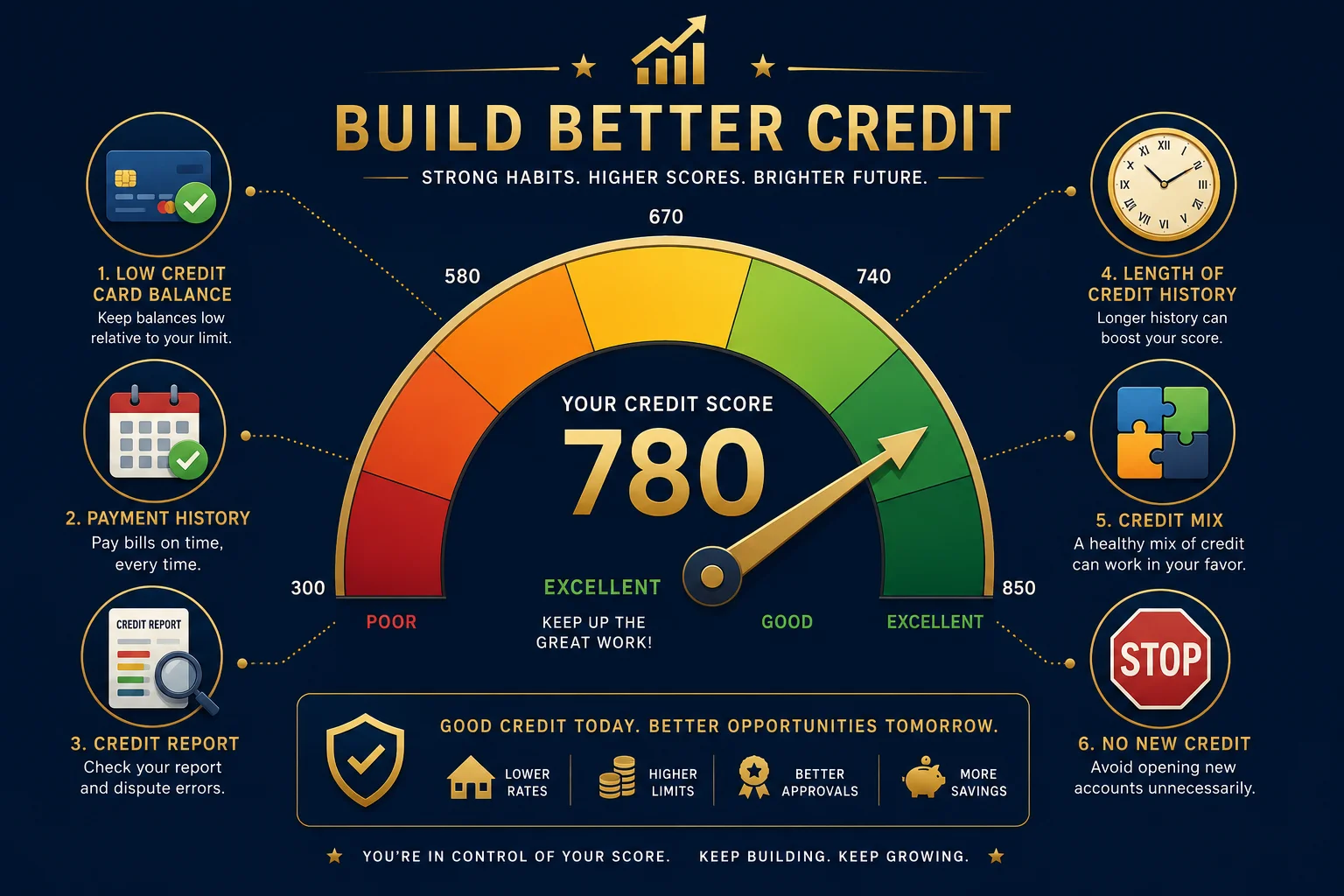
6 Tips To Easily Improve Your Credit Score

If you're looking for ways to boost your credit score, check out these useful tips on how to improve your credit to help reach your financial goals. Your credit score plays an important role in your ability to borrow money, get a credit card, buy a car, or even rent an apartment.

  • 1
    Keep Your Credit Utilization Low Keeping your credit utilization low is often one of the fastest ways to improve your credit score. Ideally, you want to keep your credit utilization as low as possible — below 30% at a minimum, and below 10% for the best results.
  • 2
    Become an Authorized User Another straightforward way to improve your credit score is to become an authorized user on a friend or family member's account with a strong payment history and low utilization.
  • 3
    Pay Your Bills on Time Paying your bills on time is one of the most important factors in determining your credit score. On-time payments make up a whopping 35% of your score. Set up calendar alerts or automatic payments to stay on track.
  • 4
    Check Your Credit Report A single error on your credit report could get in the way of your score. Once you have your reports, confirm basic information is correct and look for mistakes — then dispute errors immediately with the credit bureaus.
  • 5
    Keep Older Accounts Open Your older credit accounts may signal your reliability to the credit bureaus. Your credit history makes up about 15% of your credit score, so it may help to keep older accounts open, even if you're not using them.
  • 6
    Don't Apply for Too Much New Credit Each application for new credit could trigger a hard inquiry, taking a hit of up to 10 points. Too many hard inquiries at once can be a red flag for lenders. Spread out your credit applications over time.
Build From Scratch

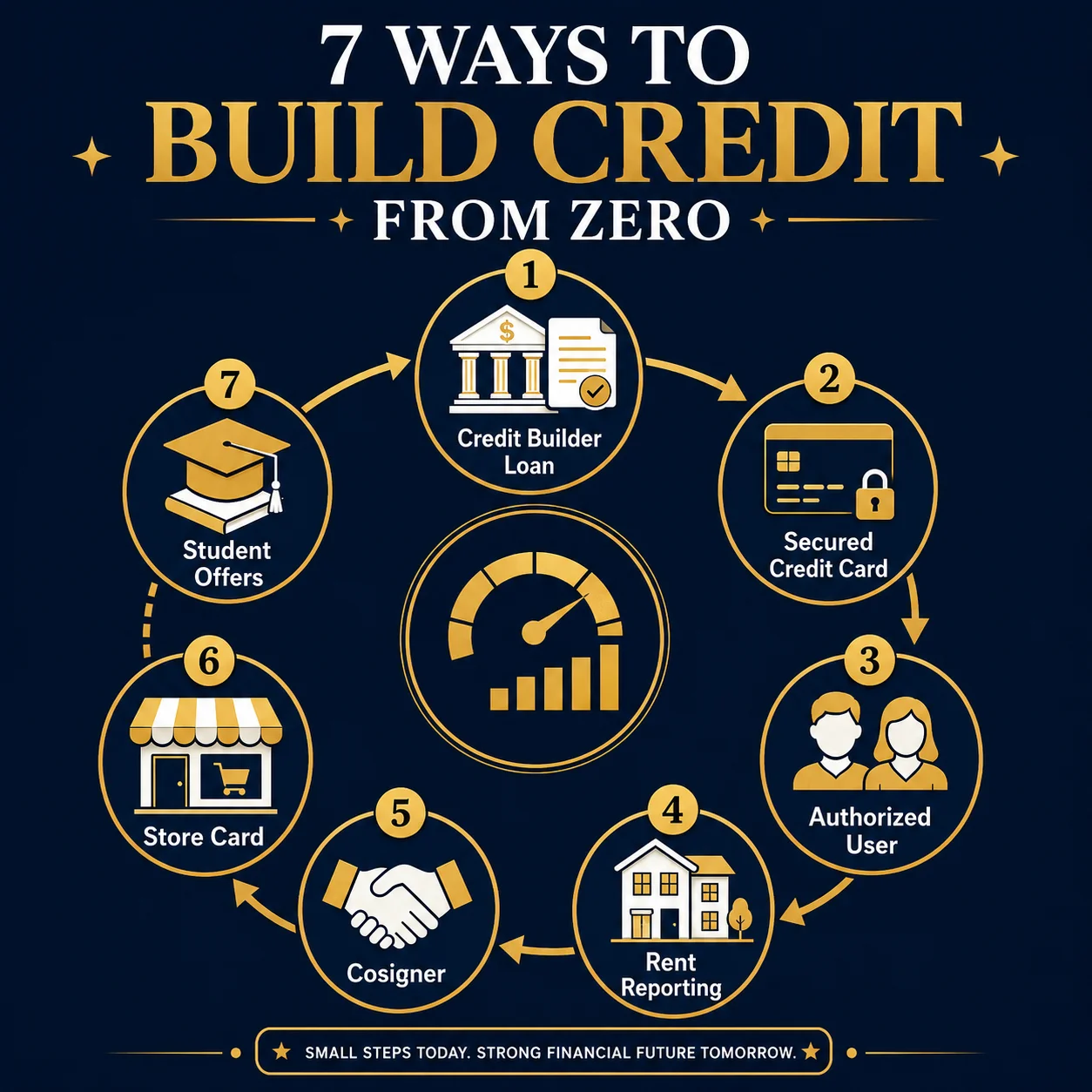
7 Tips To Build Credit When You Have No Credit History

It may seem difficult to start building credit when you have none. But, no matter where your starting point is, it's possible to build credit and have a credit score calculated as soon as three to six months from the start of your credit activity.

  • 1
    Get a Credit Builder Loan A credit builder loan secures loan funds in a CD or savings account after approval. You pay monthly installments that are reported to the bureaus — at the end you receive the money back, minus fees.
  • 2
    Apply for a Secured Credit Card A secured credit card requires a cash deposit upfront, typically placed in a savings account or CD. It works like a regular card but with a deposit equal to your credit limit as collateral.
  • 3
    Become an Authorized User on a Credit Card If a trusted friend or family member has good credit, ask to be added to their account. Make sure the primary cardholder pays as agreed and maintains a low credit utilization ratio.
  • 4
    Use a Third-Party Service to Report Rent & Bills If you make on-time monthly payments towards rent and other bills, you can have that positive payment history count toward your credit by using a third-party reporting service.
  • 5
    Find a Cosigner if You Need a Loan If you're having trouble getting approved for a personal loan, ask someone you trust to cosign it. Both parties share equal responsibility for the debt, and it appears on both parties' credit reports.
  • 6
    Sign Up for a Store Credit Card Retail store credit cards are usually easier to get than regular credit cards and offer lower credit lines. They make great starter cards for beginners who don't want to take on too much debt.
  • 7
    Take Advantage of Student Offers Student credit cards are geared towards college students and are generally designed to be a good first credit card for younger people who don't have credit history.
7 Ways to Build Credit With No Credit History
Boost Your Credit Score Fast
Take Action Today

Boost Your Credit Score Fast!

Improving your credit score quickly may be challenging, but making small changes over time can help make it more doable. Equipped with the right knowledge and tools, you may be on your way to a higher credit score — and all the financial perks that come with it.

  • Results in as little as 45 days
  • Up to $30,000 credit line
  • 105+ average credit score boost
  • No credit checks — ever
  • A+ client reviews across the board